
How to Calculate the Right Number of Restrooms for an Outdoor Event
Planning an outdoor gathering? Learn the essential formula to calculate how many portable restrooms and handwashing stations your event needs to keep lines short and guests comfortable.
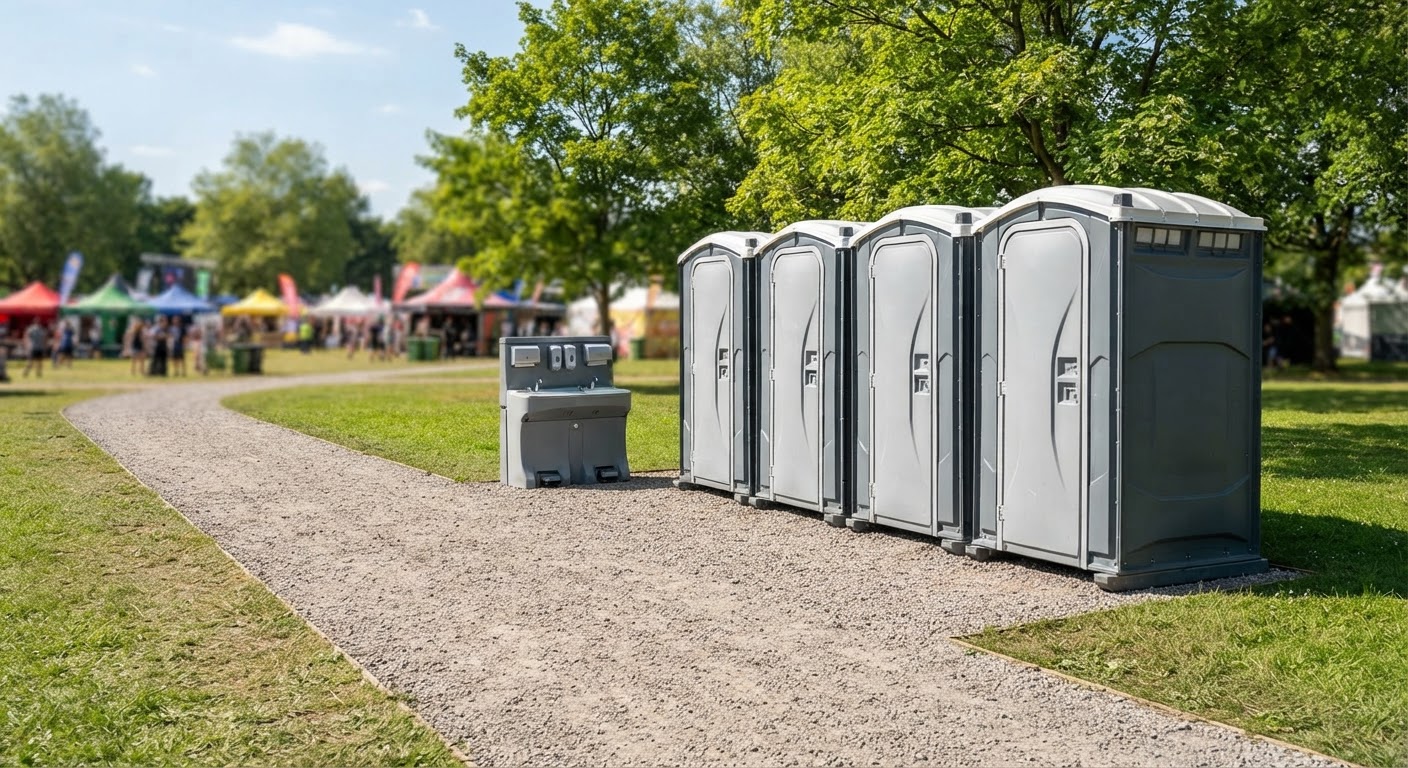
Why Restroom Math Can Make or Break an Outdoor Event
Organizing an outdoor event involves countless logistical decisions, from sound equipment and catering to parking and weather contingency plans. Yet, few factors impact attendee comfort and satisfaction as quickly as restroom availability. Insufficient facilities lead to frustrating lines, compromised sanitation, and guests leaving earlier than planned. Conversely, over-ordering ties up budget that could be better spent elsewhere.
Determining the right number of portable restrooms is not a matter of guesswork. Sanitation professionals use specific formulas based on crowd size, event duration, and beverage service to ensure clean, accessible, and compliant facilities throughout the day.
The Baseline Formula for Event Sanitation
For standard daytime events where food and alcohol are not central features, the baseline standard calls for approximately one portable restroom unit per 75 to 100 attendees for an event lasting up to four hours.
This baseline calculation assumes an even gender split and standard fluid consumption. However, outdoor events rarely operate strictly under baseline conditions. When hours extend or conditions shift, adjustments must be applied to maintain clean and functional facilities.
Applying the Duration Multiplier
Time is the primary multiplier in restroom planning. As an event stretches from an afternoon gathering into an all-day affair, individual usage rates rise considerably.
- Up to 4 hours: Standard baseline applies (approximately 1 unit per 75 to 100 guests).
- 5 to 6 hours: Increase your total restroom count by roughly 15 to 20 percent.
- 7 to 10 hours: Increase your total restroom count by 30 to 40 percent.
- Multi-day events: Base the count on the peak daily attendance and schedule professional pumping and cleaning services between event days or during off-peak morning hours.
Key Variables That Change Your Restroom Requirements
A simple head count is only the starting point. Several environmental and operational factors directly influence how often attendees need to use the facilities.
1. Food and Beverage Service (Especially Alcohol)
Alcoholic beverages act as a natural diuretic. If your outdoor festival, concert, or wedding reception serves beer, wine, or cocktails, attendees will visit the restroom significantly more often than they would at a dry event.
As an industry standard, plan to increase your baseline portable toilet count by at least 20 to 25 percent if alcohol is served. For high-volume beer festivals or evening concerts where beverage consumption is a focal activity, planners often increase the count by up to 30 percent to prevent bottlenecks.
2. Local Climate and Seasonal Temperatures
Weather plays a substantial role in guest hydration and restroom traffic. During warm, humid summer afternoons in Dayton and across the Miami Valley, attendees naturally consume more water and iced beverages to stay cool. While some hydration is lost through perspiration, fluid intake rises dramatically, leading to steady restroom demand throughout the afternoon and early evening.
3. Crowd Demographics
Understanding your guest profile helps determine both the quantity and type of units required:
- Higher Percentage of Women: Women generally spend more time in restroom facilities than men. Events with a predominantly female audience benefit from additional standard units or dedicated multi-stall trailers to keep wait times manageable.
- Families and Children: Children often require adult supervision and make more frequent, urgent trips to the restroom. Events catering to families should plan for additional capacity and wider units where parents can accompany young kids.
- Older Adults: Gatherings with senior attendees require closer placement, clear walking paths, and units with step-free entry or handrails.
Factoring in ADA Accessibility and Special Accommodations
Providing accessible sanitation is not merely a legal or municipal requirement for public events; it is essential hospitality for any gathering. ADA-compliant portable restrooms feature ground-level, roll-in access, wide magnetic or easy-latch doors, and interior grab bars to accommodate guests using wheelchairs, walkers, or strollers.
How Many ADA Units Do You Need?
For public community events, guidelines generally recommend at least one ADA-accessible restroom for every 20 standard units, or a minimum of one per cluster of portable toilets. Even for private events like outdoor weddings or family reunions, having at least one wheelchair-accessible unit ensures that elderly relatives or guests with mobility limitations can comfortably participate.
Luxury Restroom Trailers for Upscale Gatherings
Standard portable restrooms work well for races, construction projects, and large community fairs. However, formal gatherings—such as vineyard weddings, corporate galas, or VIP lounge areas—often call for luxury restroom trailers. These mobile units provide private stalls, flushing porcelain toilets, running water, interior lighting, mirrors, and climate control, offering an indoor-grade experience in an outdoor setting.
Hand Hygiene and Supporting Infrastructure
Calculating the number of restrooms is only half of the sanitation equation. Proper hand hygiene stations are equally vital, particularly when food trucks, catering, or beverage stands are present.
- Handwashing Stations: Position freestanding freshwater sink stations equipped with soap and paper towels adjacent to restroom clusters. Plan for roughly one double-basin sink station for every two to four portable restrooms.
- Hand Sanitizer Stands: In high-traffic entrance zones, dining tents, and near waste disposal areas, standalone hand sanitizer dispensers provide an extra layer of guest comfort and hygiene.
- Lighting for Evening Events: If your event extends past sunset, ensure restroom banks are positioned near existing site lighting or equipped with battery-powered internal lights so attendees can navigate safely.
Strategic Placement and Site Layout
Having the correct number of portable restrooms will not help if attendees cannot find them or if delivery trucks cannot access the site. Keep these layout principles in mind during your site walkthrough:
- Avoid Single Mega-Clusters on Large Sites: If your event covers significant acreage, such as a large park or sports complex, disperse facilities into multiple smaller stations near major activity zones rather than placing all units in one remote corner.
- Maintain Level Ground: Units must be placed on firm, flat ground (such as dry turf, gravel, or asphalt) to prevent tipping and ensure safety during use.
- Ensure Service Vehicle Access: Delivery and pump trucks require clear, drivable access to the placement area. Avoid placing units in low-lying, muddy spots or behind narrow gates that cannot accommodate commercial service vehicles.
- Downwind Positioning: While modern deodorizing products keep units fresh, placing restroom banks slightly downwind from dining tents and stages is always good practice.
Work with Local Sanitation Specialists
Every outdoor gathering has unique dynamics, from local park district regulations to specific timeline demands. Partnering with an experienced sanitation provider ensures you receive clean, dependable equipment tailored to your exact schedule and expected turnout.
If you are coordinating an upcoming festival, wedding, sports tournament, or community gathering in Dayton, reach out to Easy Space Portable Toilets. Our team provides reliable portable toilet rentals, ADA-accessible units, handwashing stations, and restroom trailers with prompt delivery and professional setup.
Need help from Easy Space Portable Toilets?
Contact our team to discuss your service needs in Dayton and surrounding service areas.